If you are considering selling your gold in Chennai, selecting a buyer that follows a straightforward and transparent assessment process can make the transaction easier and more understandable. SS Jewellery provides a structured method for clients in Chennai to sell their gold, which includes thorough purity assessment, precise valuation, and payment on the same day.
What We Accept
SS Jewellery accepts eligible gold jewellery and other gold items across a range of purities, from 18K through 24K. Whether you have inherited 22K jewellery, a damaged chain that is no longer wearable, or 24K coins that have been stored for years, each item can be assessed based on its actual gold content rather than its age or appearance.

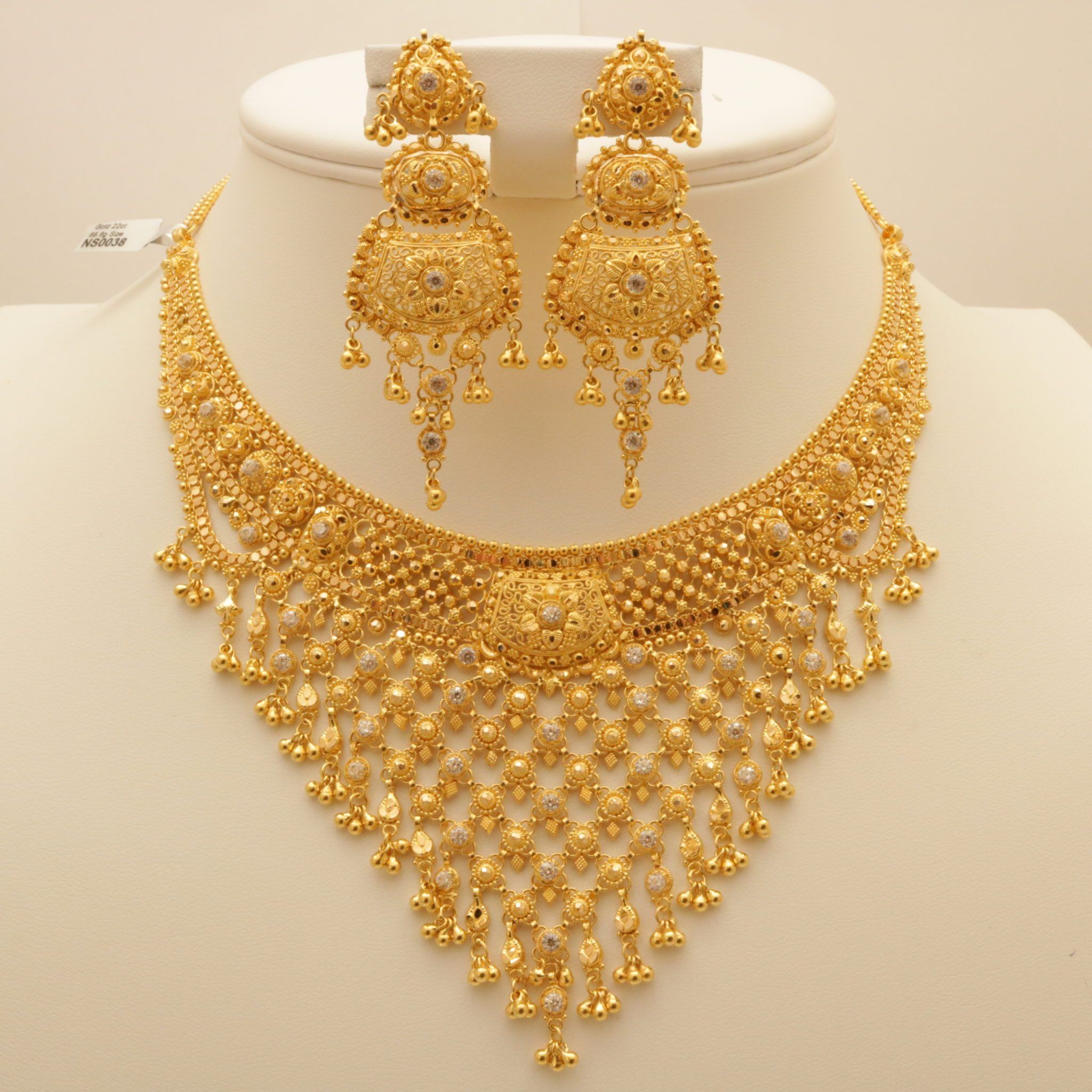
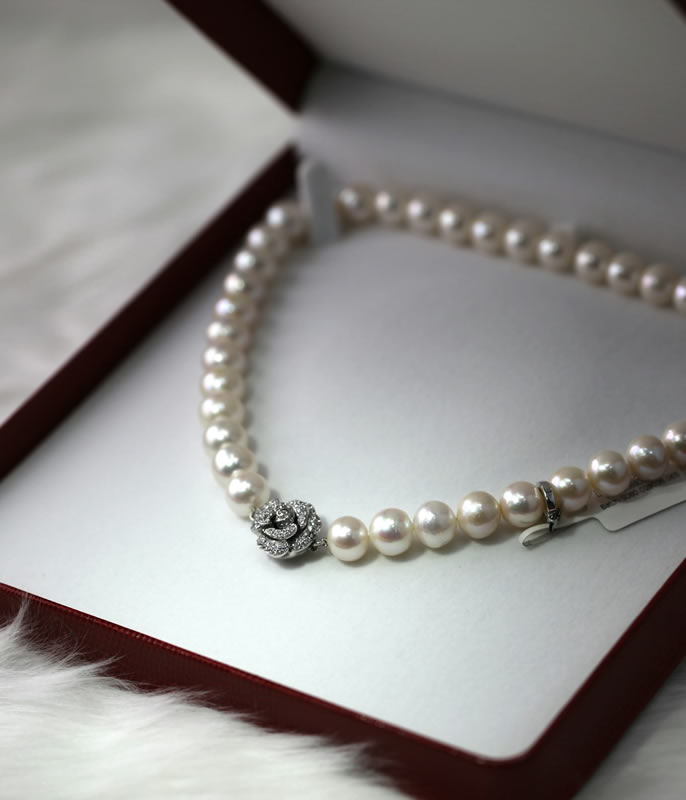
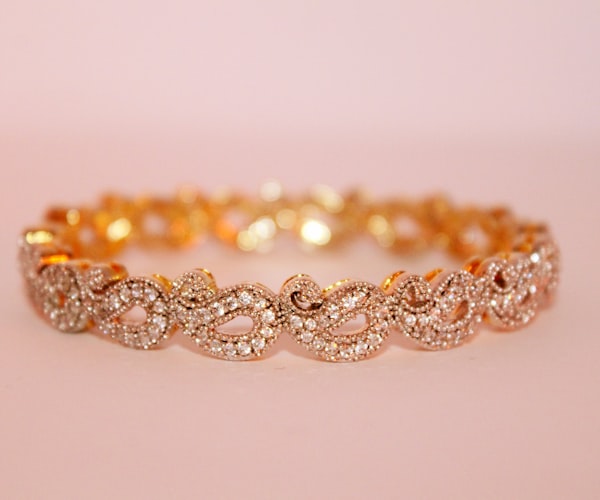
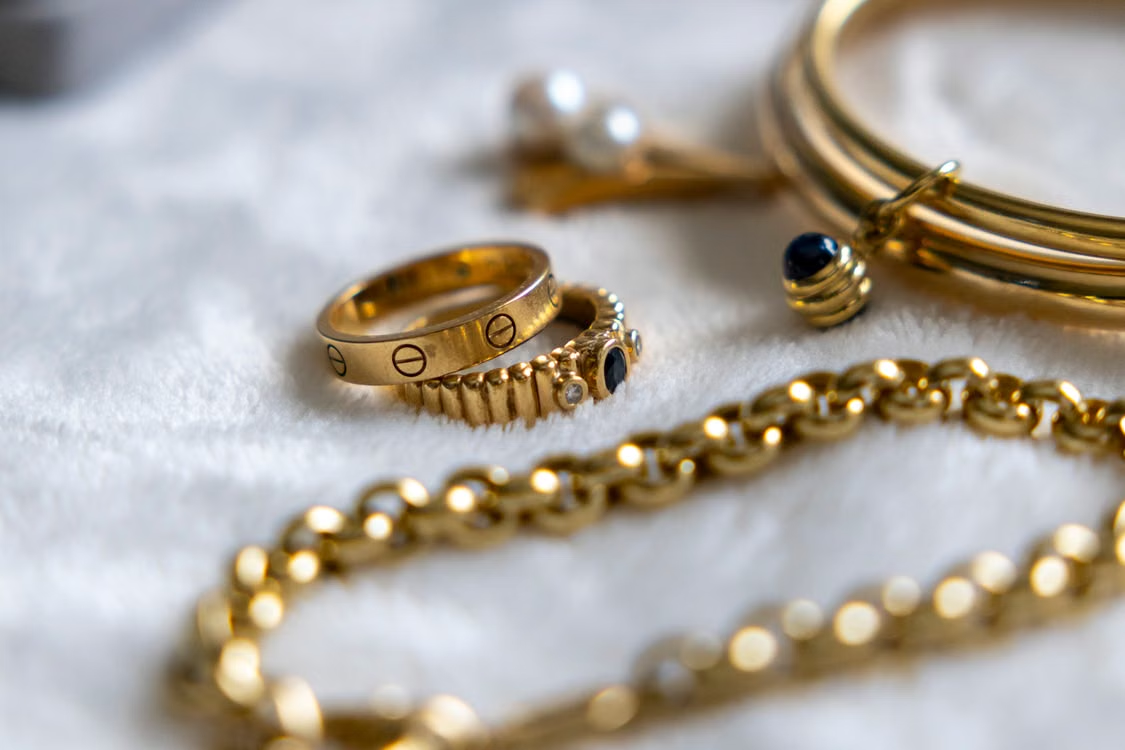
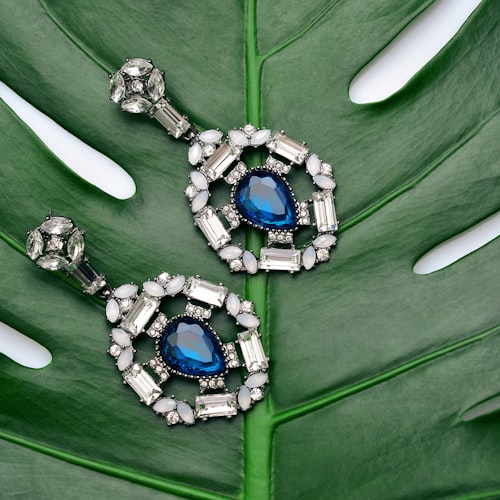
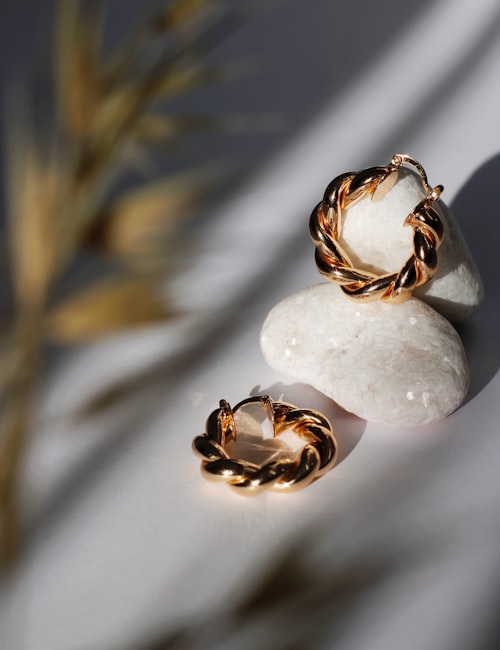
Gold chains, bangles, earrings, rings, necklaces, anklets, and other similar types of jewelry can be evaluated based on their confirmed purity and weight.
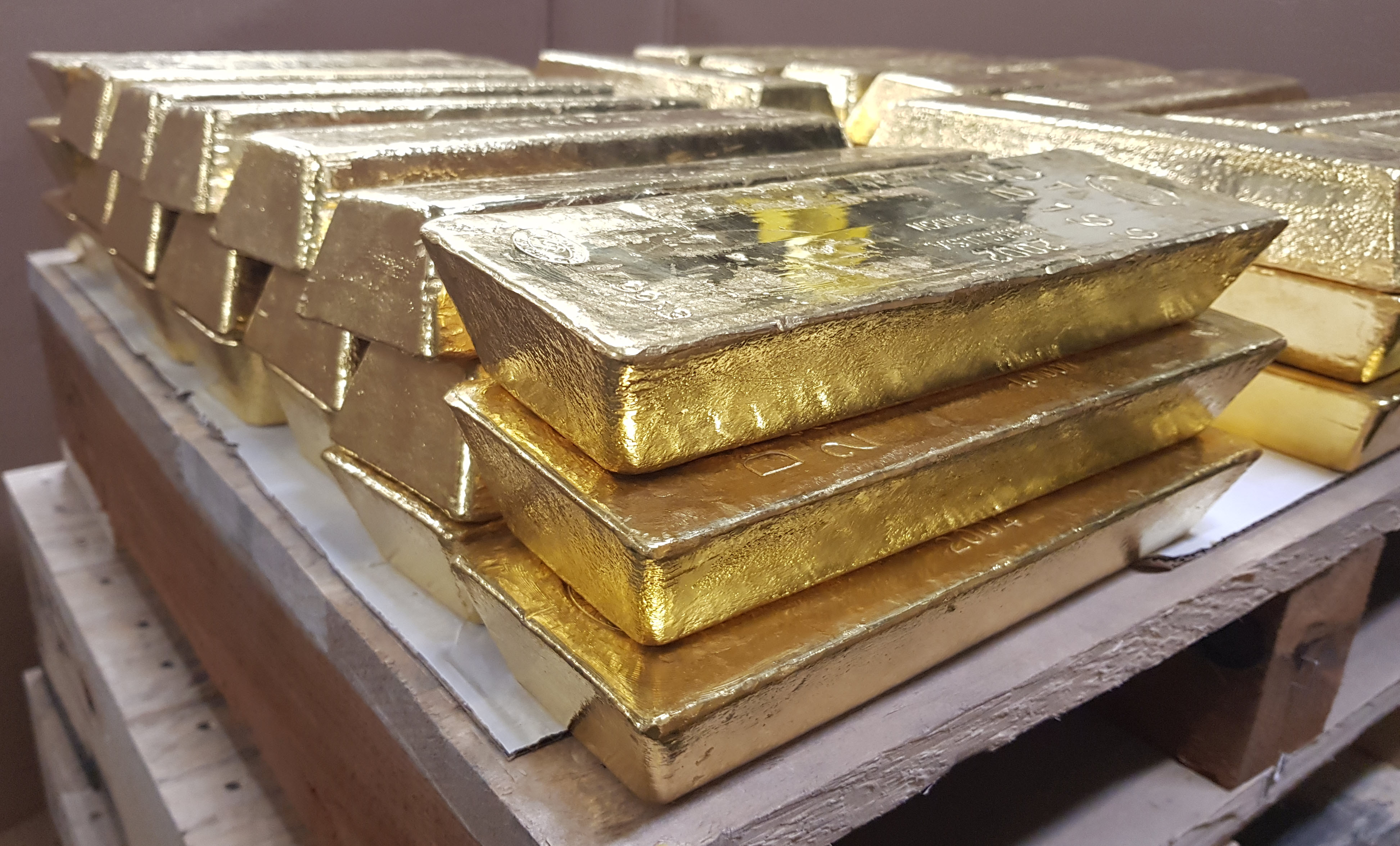
Gold coins and bars can be evaluated regardless of their manufacturer or weight, with the valuation determined according to the applicable rate and assessment.
Lower-karat jewelry can likewise be evaluated through suitable purity-testing techniques to ascertain its true gold content.
Bent, snapped, worn-out or otherwise damaged jewellery can still have significant metal value. Its physical condition does not necessarily prevent it from being assessed.
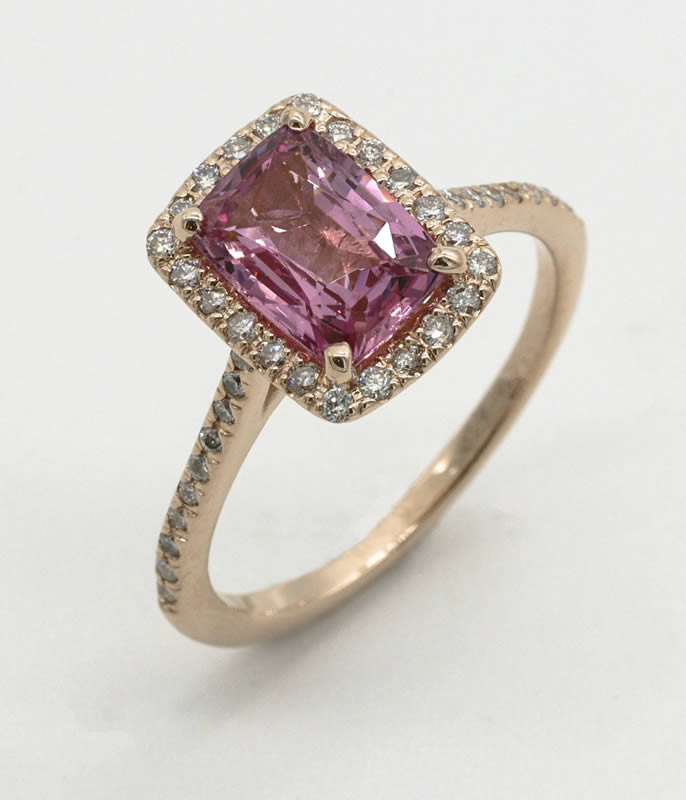
Jewellery containing gemstones or other non-gold components can be examined to determine the value attributable to the gold portion.
Inherited jewellery and older designs can be evaluated based on factors such as verified purity, weight and gold content rather than their appearance alone.
Eligible silver jewellery, coins and other silver articles can also be assessed according to their purity, weight and applicable silver market rate.
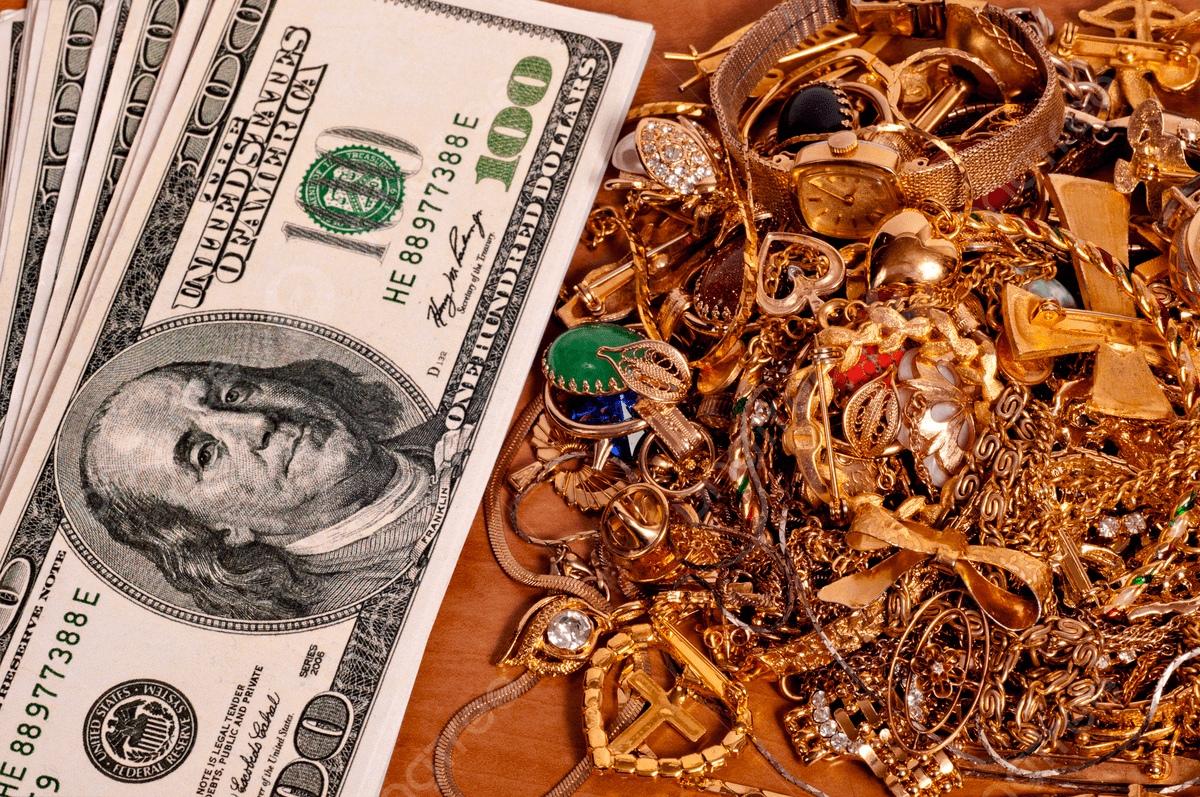
Whether you have old gold jewellery, unwanted ornaments, used gold items, damaged pieces, antique designs, chains, rings, bangles, earrings, coins, bars or other gold articles, SS Jewellery can assess the items that are evaluated based on their quantifiable gold content before purchase. Scrap gold and other qualifying gold materials can be assessed using the relevant market rate and evaluation methods.
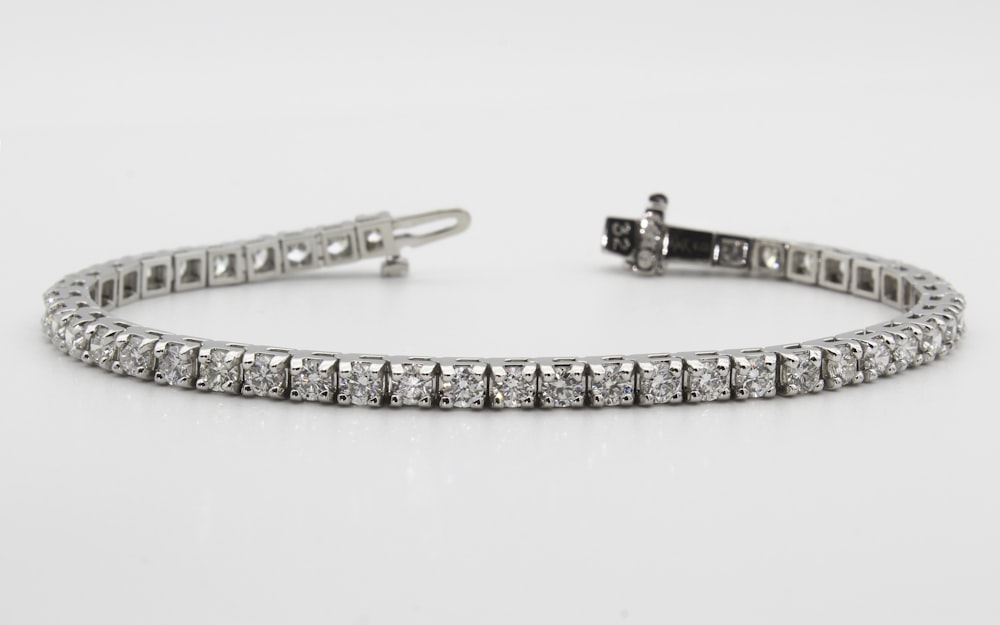
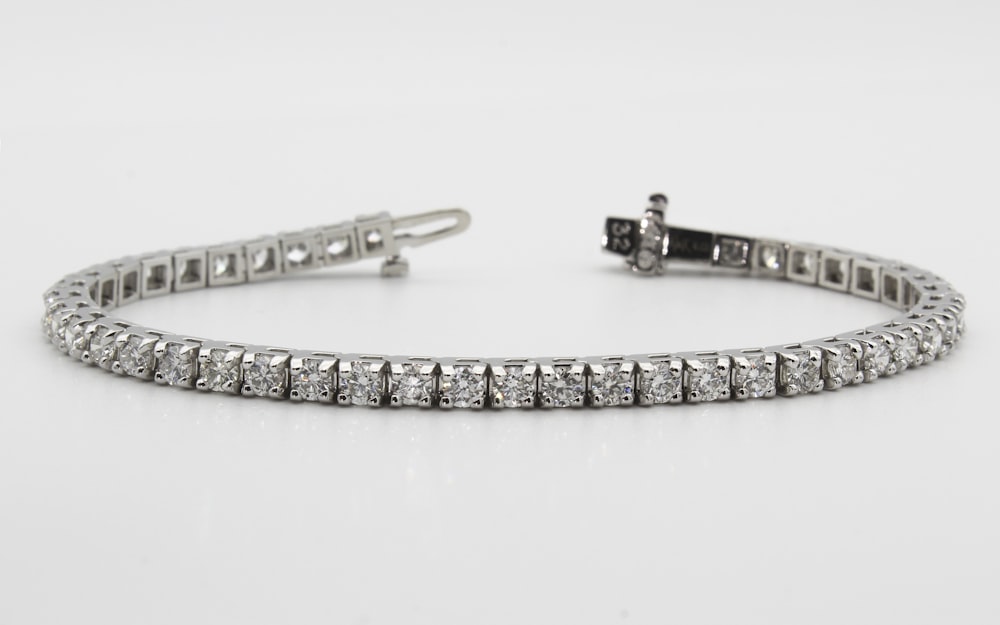
SS Jewellery also accepts qualifying , diamond jewellery, with the valuation based on the item's characteristics and assessed worth. Similarly, scrap silver, silverware, silver coins and other old silver articles can be evaluated based on their purity, weight and prevailing silver market conditions.

Purity Testing
SS Jewellery uses XRF-based testing to assess the gold content of eligible items without cutting, scratching, or otherwise damaging the jewellery. The analysis provides a purity reading that can be viewed during the assessment, helping you understand the karat and gold percentage identified by the testing equipment.
The testing process is designed to provide a quick and non-destructive assessment, allowing the condition of your jewellery to be preserved while its gold purity is evaluated.
Understanding Value

The value of a gold item is determined by several factors rather than a single figure. The primary considerations are its weight, purity, and applicable gold rate. In general, a greater quantity of gold and a higher purity level can contribute to a higher assessed value.
In India, gold prices are also affected by the overall market conditions. International bullion prices, movements in the USD-INR exchange rate, monetary policy decisions by the Reserve Bank of India, import duties, GST and other market-related factors can affect domestic gold prices.
Local market demand can also influence pricing conditions. Periods associated with festivals, weddings and other occasions may contribute to changes in demand and market activity.
Taken together, these factors help determine the prevailing market gold rate used when assessing the value of gold on a particular day.
Our Assessment
If you are planning to sell old gold jewellery, understanding how its value is assessed can help you make a more informed decision. The ultimate valuation typically relies on elements such as the confirmed purity of the item, the qualifying weight of gold, and the relevant market price.

Gold jewellery is produced in different purity grades, which are commonly expressed in karats. Since the proportion of gold varies between karat levels, verifying the purity of an item is an important part of determining its potential value.
Specialised testing equipment can be used to analyse the gold content of jewellery without unnecessarily damaging the item. A proper gold assessment helps establish the purity that should be considered during the valuation.
Once the purity has been evaluated, the item is measured using a suitably calibrated scale. The total or gross weight may include gemstones, clasps and other non-gold components. Consequently, the weight attributable to the gold itself may differ from the overall weight of the jewellery.
Gold prices fluctuate according to market conditions. The applicable rate at the time of assessment is therefore an important component of the gold price calculation. The final valuation can be determined by considering the relevant purity, eligible gold weight and applicable rate.
A professional assessment should provide:
If you want to know how much your jewellery may be worth, you can contact SS Jewellery to arrange an assessment. The value can be determined once the item's purity and the eligible gold weight have been assessed in relation to the current market conditions.
Get My Free EvaluationWhat We Buy
SS Jewellery evaluates a wide range of gold items, regardless of whether the jewellery is old, inherited, damaged or no longer in use. Each item is assessed according to its verified purity, eligible gold weight and applicable valuation factors.


Our Process
Selling your gold can be a simple process when every step of the evaluation is thoroughly clarified. SS Jewellery follows a step-by-step process covering item inspection, weight measurement, purity assessment and valuation before the transaction is completed.

You are welcome to bring the gold you would like evaluated to our store. No advance appointment is required. Kindly ensure that you bring an accepted form of photo identification when you visit.
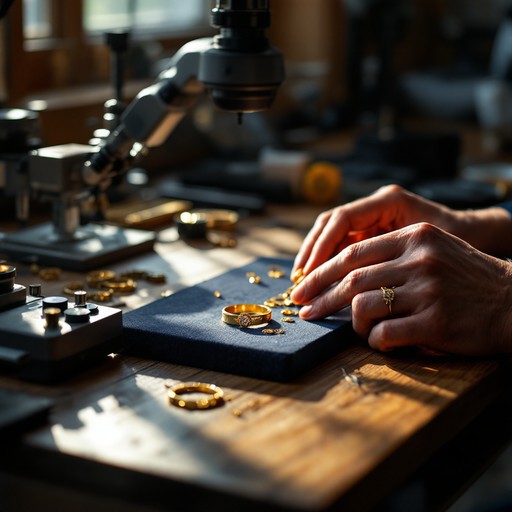
Every assessment begins with a careful examination of the item presented for evaluation. Gold jewellery, coins, bars and other eligible pieces are reviewed to identify their type, physical condition and visible characteristics before the weighing and purity-analysis stages begin.
The item may be an inherited piece, an older design, a damaged ornament or jewellery that has simply remained unused for years. The presence of wear, bending, breakage, or alterations in appearance does not, on its own, dictate the intrinsic metal value. The assessment primarily considers the gold content, verified purity and eligible weight of the item.
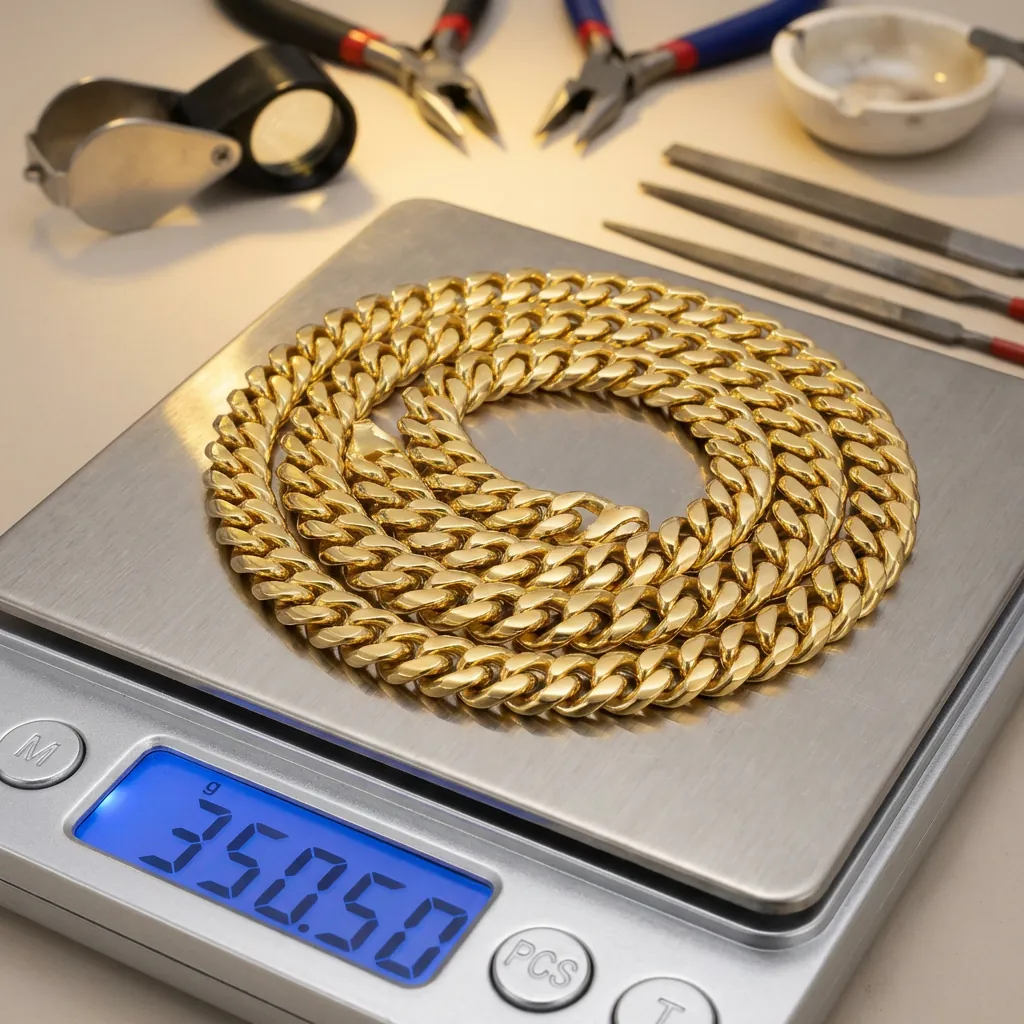
Your jewellery or other gold item is placed on a certified digital weighing scale. The measured weight is displayed so that you can observe the reading during the assessment.
The item's gold purity is examined using XRF testing technology. This provides a non-destructive assessment of the gold content without requiring the jewellery to be cut or damaged. The identified purity can be viewed as part of the testing process.
Karat is a measure used to indicate the proportion of gold present in a jewellery alloy. Different karat grades contain different amounts of pure gold. For instance, 22K gold contains approximately 91.6% gold, whereas 18K gold contains about 75% gold.
Purity can have a significant impact on the assessment because weight alone does not determine the value of a gold item. Two pieces weighing the same amount may have different valuations when their gold purity levels are different.
The outcomes of the purity assessment and weight measurement are analyzed collectively to ascertain the quantity of gold pertinent to the valuation. This provides a more meaningful assessment than considering the item's total weight alone.
For example, a heavier jewellery piece may not necessarily have a higher value than a lighter piece if it has a substantially lower purity level. The weight that qualifies and the confirmed purity must be evaluated in conjunction when assessing the possible value of the gold item.
The prevailing gold rate can fluctuate from one day to another as market conditions change. International bullion prices, movements in the currency market, monetary policy, import-related expenses, taxation and domestic demand can all contribute to changes in gold pricing in India.
For this reason, the rate applicable at the time of assessment is an important part of determining the potential value of a gold item. The evaluated purity and acceptable weight are taken into account alongside the applicable market rate to determine the valuation.
The potential value of a gold item can be understood by considering its eligible gold weight, verified purity and the applicable rate. A simplified representation of the calculation is:
Eligible Gold Weight × Applicable Rate for the Assessed Purity = Indicative Gold Value
The final amount may differ depending on the characteristics of the item and the valuation method applied to the transaction. Jewellery containing gemstones, other metals or additional non-gold components may require separate consideration when determining the weight attributable to the gold.
After the purity and eligible gold weight have been established, the applicable valuation is calculated using the relevant market rate and assessment factors. The calculation is explained before the transaction is completed.
If you are satisfied with the valuation, payment is made according to SS Jewellery's applicable payment process.
Gold Purity Explained
Gold purity indicates the proportion of actual gold present in an item. It is commonly represented using karat (K) and fineness. A 24K item represents very high-purity gold and is commonly marked as 999 fineness, meaning approximately 99.9% gold.
Pure gold is relatively soft, so jewellery is generally manufactured by combining gold with other metals to improve its strength and durability. The resulting purity depends on the proportion of gold in the alloy. This is why 22K jewellery and 24K gold products can have different physical characteristics even though both contain substantial amounts of gold.

| Karat | Fineness | Approx. Gold Purity |
|---|---|---|
| 24K | 999 | 99.9% |
| 22K | 916 | 91.6% |
| 18K | 750 | 75.0% |
| 14K | 585 | 58.5% |
| 10K | 417 | 41.7% |
In India, the Bureau of Indian Standards (BIS) hallmark provides an important indication that hallmarked jewellery has undergone testing through the recognised hallmarking system and conforms to its declared purity.
Modern hallmarked jewellery can also carry a Hallmark Unique Identification (HUID) number. This unique alphanumeric identification helps consumers verify the hallmark details of an individual piece through the BIS system.
Understanding karat, fineness and hallmark information can be useful when having jewellery assessed, because verified purity is an important factor in determining the potential value of gold.
Market Rate

Gold prices can fluctuate throughout the market cycle due to domestic and international factors. Since the rate applicable to a transaction can change over time, the current gold rate should be confirmed at the time the item is assessed.
The rate considered for the valuation is evaluated together with the item's verified purity and eligible gold weight. This helps ensure that the assessment reflects the relevant market conditions at the time of the transaction.
Resale
If you have jewellery or other gold items that you no longer use, reselling them can be a practical way to convert unused assets into money. SS Jewellery provides a structured evaluation process that helps customers understand the potential value of their gold before deciding whether to complete the transaction.

The process starts with an inspection of the item, followed by purity testing and weight measurement. The verified purity, eligible gold weight and applicable market rate are considered together when determining its assessed value.
The age or appearance of jewellery does not by itself determine its worth. Inherited pieces, older designs and damaged ornaments can still contain valuable gold. The assessment focuses on measurable characteristics, particularly the item's verified purity and eligible gold content.
Depending on the item's eligibility, customers can bring different types of previously owned gold for evaluation, including:
The potential value of an item is influenced by factors such as its purity, eligible weight and the applicable market gold rate at the time of assessment. Jewellery containing gemstones or other non-gold materials may require additional consideration when establishing the amount of gold that contributes to the valuation.
Understanding these factors gives you greater clarity about how the assessed value is determined. SS Jewellery explains the relevant assessment details so that you can review the valuation and make your decision with a clear understanding of the transaction.
Jewellery Buyers
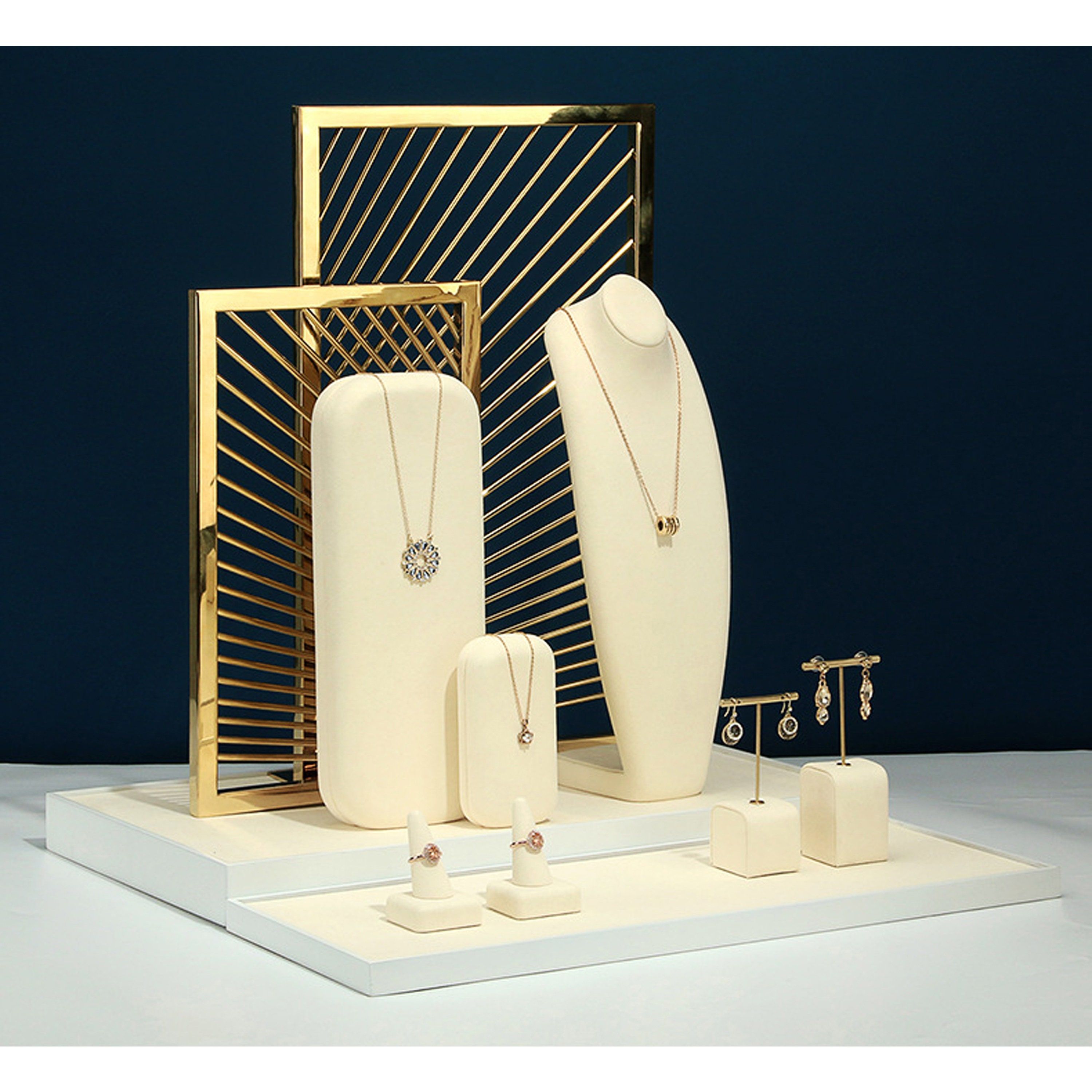
SS Jewellery provides customers with an opportunity to have eligible gold jewellery assessed when they no longer wish to keep or wear it. The evaluation can cover jewellery of different styles, ages and origins, including inherited pieces, older designs and items that have been kept unused for an extended period.

Eligible items may include:
Each piece is evaluated using relevant factors such as its verified purity, eligible gold weight and the applicable market rate. The same assessment principles can be applied to jewellery with different designs, manufacturers and styles.
Jewellery that has become outdated, damaged or unused can still contain valuable gold. An inherited ornament, an older family piece or jewellery that has been sitting unused for years may be suitable for assessment.
The evaluation is based primarily on the item's measurable gold content rather than its age, design or current appearance. This provides a consistent basis for determining its potential value.
Silver Buyers
SS Jewellery also evaluates eligible silver items for customers who wish to sell previously owned silver. This may include jewellery, coins, utensils, decorative pieces and other silver articles.
The potential value of a silver item is determined by considering relevant factors such as its verified purity, eligible weight and the prevailing silver market rate at the time of assessment.

Subject to eligibility, customers may present:
If you have silver items that are no longer required, an assessment can help you understand their potential value before making a decision about the transaction.
Value Factors
The value of an older gold item is influenced by several measurable factors. Purity, eligible weight and the applicable gold rate are among the principal considerations used during an assessment.

The percentage of actual gold present in an item influences its potential value. For example, 22K gold contains approximately 91.6% gold, whereas 18K gold contains approximately 75%.
The displayed weight of a jewellery piece may include gemstones, clasps, settings or other materials. Consequently, the weight of the complete item may not be the same as the weight attributable to its gold content.
Gold prices are subject to market fluctuations. International prices, currency movements, domestic demand and other economic factors can influence the prevailing rate. The rate relevant to the assessment is therefore considered at the time of the transaction.
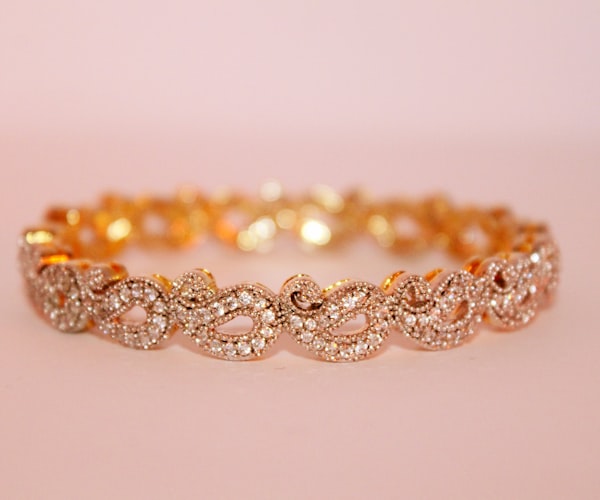
Jewellery containing diamonds, gemstones or other materials may require additional assessment. Components that are not gold may need to be distinguished from the metal when determining the eligible gold weight.
A piece does not necessarily lose its underlying metal value because it is bent, broken or damaged. The assessment focuses on its verified purity and eligible gold content rather than relying solely on its physical appearance.
Calculation
A simplified representation of a gold valuation can be expressed as:

For illustration, suppose an item has an eligible gold weight of 10 grams and the applicable rate for its assessed purity is ₹X per gram. The indicative calculation would be:
This example is intended only to explain the basic calculation principle. Since gold prices can change with market conditions, the applicable rate needs to be established at the time the item is assessed.
The final amount may also depend on the item's verified purity, eligible gold weight and the presence of gemstones or other non-gold components. Therefore, the total weight shown for a jewellery piece should not automatically be considered its net gold weight.
Why SS Jewellery
When selling valuable jewellery, it is important to choose a buyer that provides a clear and understandable evaluation process. Knowing how the item will be tested, weighed and valued can help you make a more informed decision.

A transparent assessment should make it clear:
SS Jewellery follows a structured evaluation process covering item inspection, purity analysis, weight measurement and valuation. The relevant assessment factors can be explained to the customer before the transaction is completed.
When evaluating a potential buyer, customers can also consider practical indicators such as a verifiable business location, accessible contact information, a clearly explained testing procedure and transparency regarding the proposed valuation.
Security & Trust

Gold represents a valuable personal asset, so the selling process should be handled with care and clarity. A well-defined procedure allows the seller to understand how the item is examined and how its potential value is established.
At SS Jewellery, the assessment involves inspecting the item, determining its eligible weight, analysing its purity and considering the applicable market rate. These elements are brought together as part of the valuation process.
Before completing the transaction, customers can review the assessment and understand the factors contributing to the proposed value. This helps create a more straightforward and transparent experience when selling gold.
Customers should also retain any applicable receipts, transaction records or other documentation provided during the sale and make sure they understand the final settlement details before completing the transaction.
Serving All of Chennai
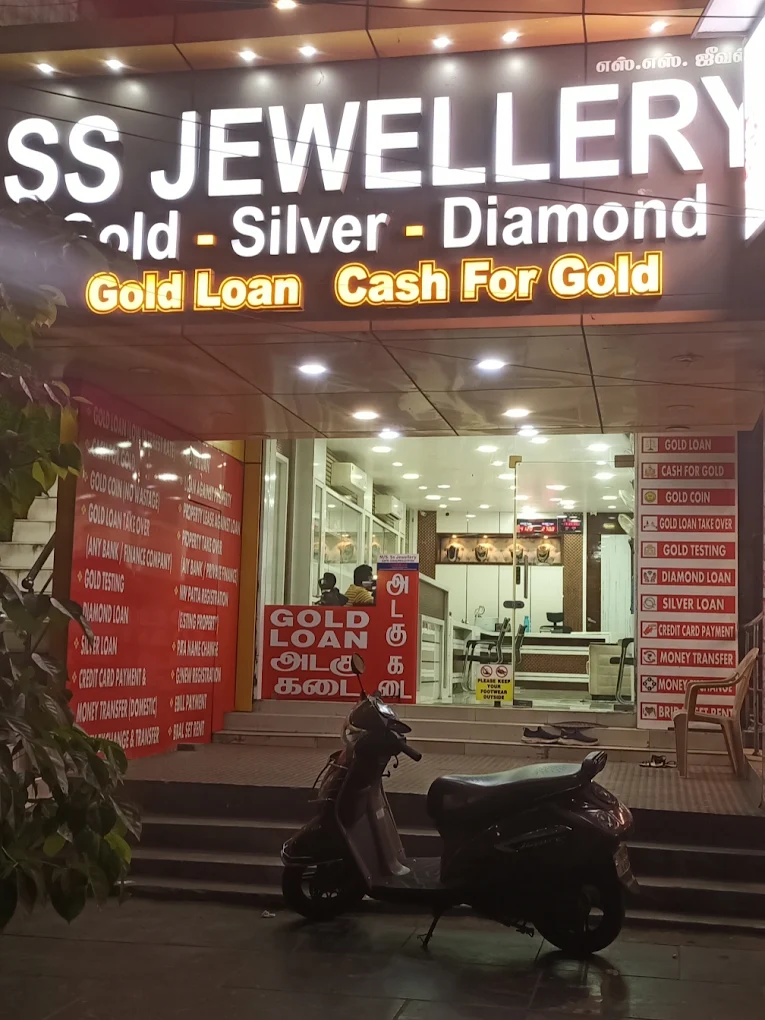
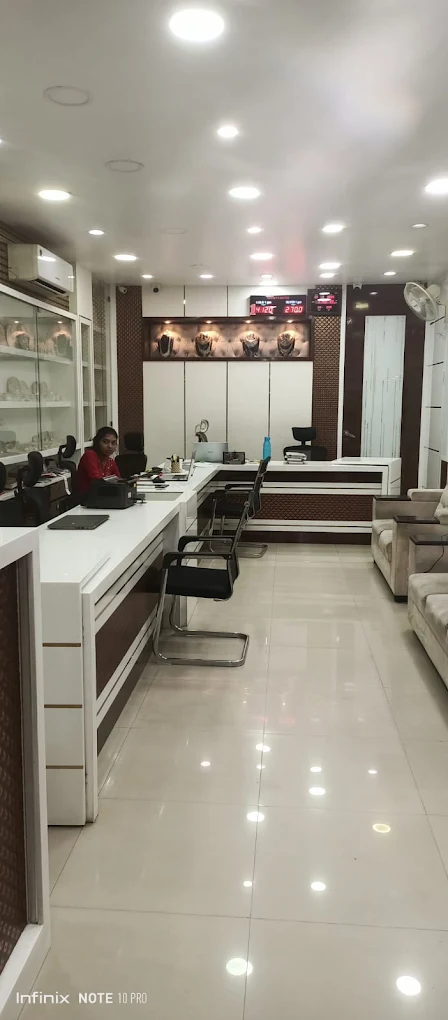
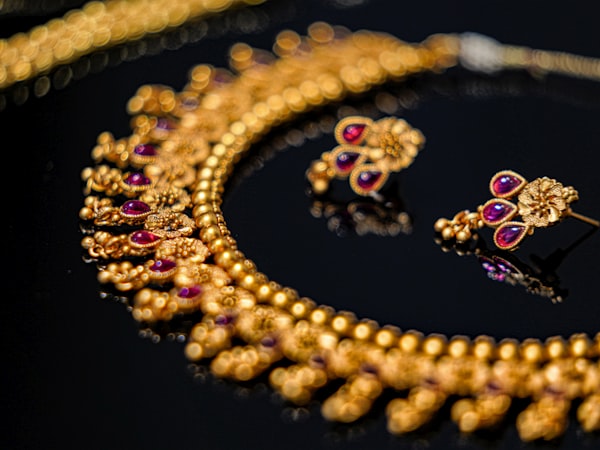
SS Jewellery welcomes customers from Ekkatuthangal and nearby parts of Chennai who want to have their old, unused, inherited or unwanted gold jewellery assessed. Our store is located on Jawaharlal Nehru Salai in Ambal Nagar, Ekkatuthangal, making it accessible to customers travelling from areas including Guindy, Saidapet, Velachery and Adyar.
Customers can visit the store with eligible gold jewellery, coins, bars and other gold items for assessment. The evaluation considers factors such as purity, eligible gold weight and the applicable market rate.


Business Name
SS Jewellery
Address
3/15, Jawaharlal Nehru Salai, Ambal Nagar, Ekkatuthangal, Chennai, Greater Chennai, Tamil Nadu 600032
Phone
Opening Hours
9:30 AM–9:30 PM, Monday–Sunday
You can contact SS Jewellery before visiting if you would like to confirm the assessment process or discuss your gold items.
The store's location can be viewed on Google Maps, making it easier to check the route and plan your visit from your current location.

Get Directions to SS JewelleryFAQ
Get Started
Fill in — and somebody will get back to you as soon as possible.
Address
3/15, Jawaharlal Nehru Salai, Ambal Nagar,
Ekkatuthangal, Chennai, Tamil Nadu 600032
Hours
9:30 AM – 9:30 PM, Monday – Sunday
Contact
Fill in — and somebody will get back to you as soon as possible